Mindfulness: A Tool for Anxiety Relief
Anxiety is a common experience that many of us face at various points in our lives. It manifests as a feeling of unease, worry, or fear, often accompanied by physical symptoms such as increased heart rate, sweating, or restlessness. We may find ourselves feeling anxious in response to specific situations, such as public speaking or taking an exam, but for some, anxiety can become a persistent and overwhelming presence. This chronic anxiety can interfere with our daily lives, affecting our relationships, work performance, and overall well-being.
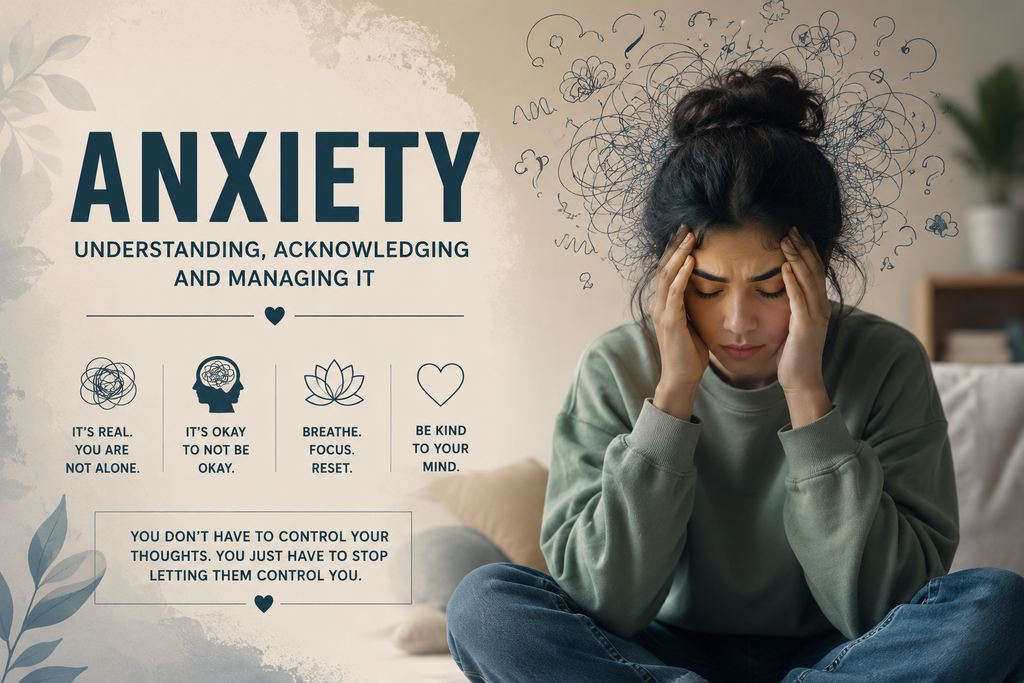
As we delve deeper into understanding anxiety, we recognize that it is not merely a fleeting emotion but a complex interplay of biological, psychological, and environmental factors. Our brains are wired to respond to perceived threats, triggering the fight-or-flight response that prepares us to deal with danger. However, in modern society, this response can be activated by stressors that are not life-threatening, leading to a cycle of anxiety that can feel inescapable. By acknowledging the multifaceted nature of anxiety, we can begin to explore effective strategies for managing it, including mindfulness practices.
What is Mindfulness?
Mindfulness is the practice of being fully present and engaged in the moment, without judgment or distraction. It encourages us to observe our thoughts and feelings as they arise, allowing us to cultivate a greater awareness of our internal experiences. This practice has its roots in ancient meditation traditions but has gained significant popularity in recent years due to its accessibility and effectiveness in promoting mental well-being. By focusing on the present moment, we can create a space for ourselves to experience life more fully and authentically.
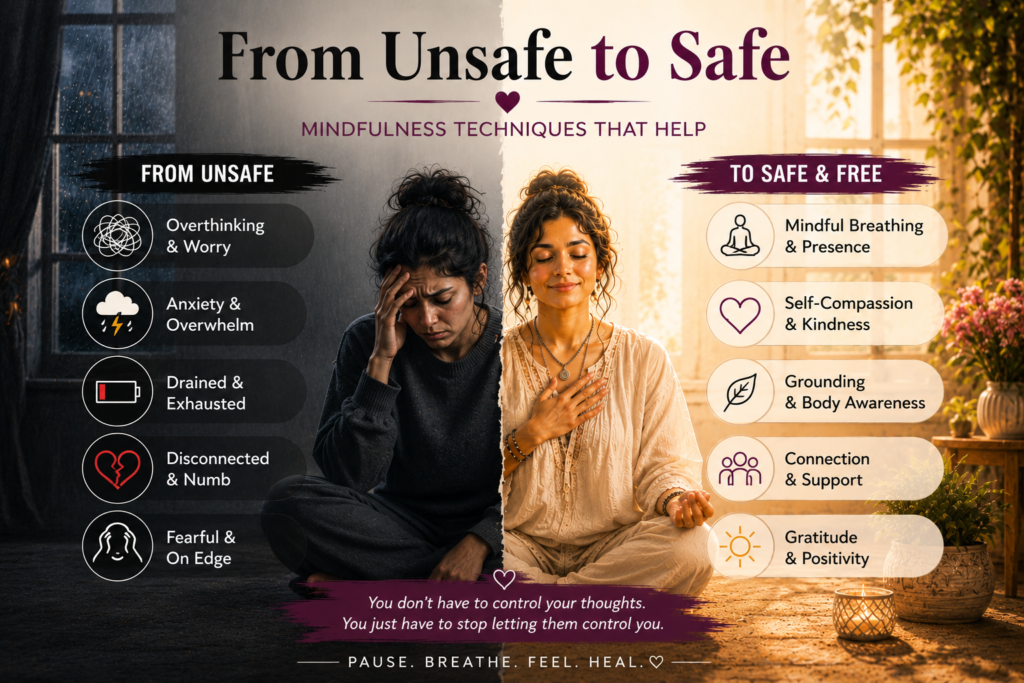
At its core, mindfulness invites us to slow down and pay attention to our thoughts, emotions, and bodily sensations. It encourages us to step back from the chaos of our daily lives and observe our experiences with curiosity rather than criticism. This shift in perspective can be transformative; instead of being overwhelmed by anxiety or stress, we learn to acknowledge these feelings without letting them define us. As we practice mindfulness, we develop a deeper understanding of ourselves and our reactions, paving the way for greater emotional resilience.
The Science Behind Mindfulness and Anxiety Relief
Research has shown that mindfulness can have a profound impact on anxiety relief. Studies indicate that engaging in mindfulness practices can lead to changes in brain activity associated with emotional regulation. For instance, neuroimaging studies have revealed that mindfulness meditation can increase activity in the prefrontal cortex, the area of the brain responsible for higher-order thinking and decision-making. This enhanced activity can help us manage our emotional responses more effectively, reducing feelings of anxiety.
Moreover, mindfulness has been linked to decreased levels of the stress hormone cortisol. When we practice mindfulness, we activate the parasympathetic nervous system, which promotes relaxation and counteracts the stress response. This physiological change can lead to a reduction in anxiety symptoms and an overall sense of calm. As we engage in mindfulness techniques regularly, we may find that our ability to cope with stress improves significantly, allowing us to navigate life’s challenges with greater ease.
How Mindfulness Helps with Anxiety
Mindfulness helps us address anxiety by fostering a non-judgmental awareness of our thoughts and feelings. When we experience anxiety, it is common for us to become entangled in negative thought patterns that exacerbate our distress. Mindfulness teaches us to observe these thoughts without getting caught up in them. By recognizing that thoughts are transient and do not define our reality, we can create distance between ourselves and our anxious feelings.
Additionally, mindfulness encourages self-compassion. When we practice being kind to ourselves during moments of anxiety, we cultivate a sense of acceptance rather than resistance. This shift allows us to approach our feelings with curiosity instead of fear. As we learn to embrace our experiences without judgment, we may find that our anxiety diminishes over time. Mindfulness empowers us to take control of our mental landscape, transforming how we relate to our emotions and ultimately leading to greater emotional stability.
Mindfulness Techniques for Anxiety Relief
| Study | Participants | Duration | Findings |
|---|---|---|---|
| Study 1 | 100 | 8 weeks | Significant reduction in anxiety symptoms |
| Study 2 | 75 | 12 weeks | Improved emotional regulation and decreased anxiety levels |
| Study 3 | 50 | 6 months | Long-term reduction in anxiety and stress |
There are various mindfulness techniques that we can incorporate into our daily routines to alleviate anxiety. One effective method is mindful breathing, which involves focusing on our breath as it flows in and out of our bodies. By anchoring ourselves in the rhythm of our breath, we can create a sense of calm amidst the chaos of anxious thoughts. This technique can be practiced anywhere and at any time, making it a versatile tool for managing anxiety.
Another valuable technique is body scanning. This practice involves mentally scanning our bodies from head to toe, paying attention to any areas of tension or discomfort. By bringing awareness to these sensations without judgment, we can release pent-up stress and promote relaxation. Body scanning encourages us to connect with our physical selves and recognize how anxiety manifests in our bodies. By integrating these techniques into our lives, we can cultivate a greater sense of peace and well-being.
Incorporating Mindfulness into Daily Life
Click here to DISCOVER YOUR MIND
Incorporating mindfulness into our daily lives does not require extensive time commitments or drastic lifestyle changes. Instead, it can be woven into the fabric of our everyday activities. For instance, we can practice mindfulness while eating by savoring each bite and paying attention to the flavors and textures of our food. This simple act can transform mealtime into a meditative experience that grounds us in the present moment.
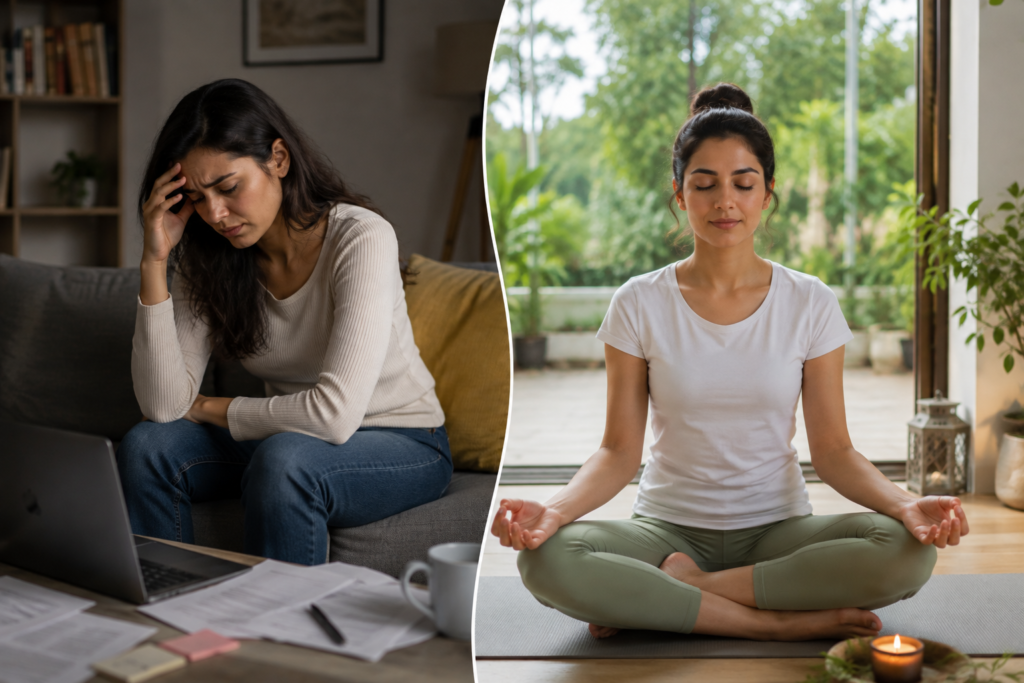
We can also practice mindfulness during routine tasks such as walking or washing dishes. By focusing on the sensations associated with these activities—the feeling of our feet on the ground or the warmth of water on our hands—we can cultivate a sense of presence that helps alleviate anxiety. The key is to approach these moments with intention and awareness, allowing ourselves to fully engage with the experience at hand.
Mindfulness and Breathing Exercises for Anxiety Relief
Breathing exercises are a cornerstone of mindfulness practice and serve as powerful tools for anxiety relief. One popular technique is the 4-7-8 breathing method, which involves inhaling for four counts, holding the breath for seven counts, and exhaling for eight counts. This rhythmic pattern helps activate the body’s relaxation response and can quickly reduce feelings of anxiety.
Another effective breathing exercise is diaphragmatic breathing, which encourages us to breathe deeply from our diaphragm rather than shallowly from our chest. By focusing on deep belly breaths, we stimulate the vagus nerve, which plays a crucial role in regulating stress responses. Practicing these breathing exercises regularly can help us develop a greater sense of control over our anxiety and promote overall emotional well-being.
Mindfulness Meditation for Anxiety Relief
Mindfulness meditation is a structured practice that allows us to cultivate awareness and presence over an extended period. During meditation sessions, we typically sit comfortably with our eyes closed or softly focused on a point in front of us. We then direct our attention to our breath or a specific mantra while gently acknowledging any thoughts or distractions that arise without judgment.
Research has shown that regular mindfulness meditation can lead to significant reductions in anxiety symptoms. By dedicating time each day to this practice, we create an opportunity for ourselves to step back from the demands of life and reconnect with our inner selves. Over time, this practice fosters resilience against anxiety triggers and enhances our ability to respond calmly to stressors.
Mindfulness and Cognitive Behavioral Therapy for Anxiety
Mindfulness can be effectively integrated with cognitive behavioral therapy (CBT), a widely used therapeutic approach for treating anxiety disorders. CBT focuses on identifying and challenging negative thought patterns that contribute to anxiety while promoting healthier coping strategies. When combined with mindfulness practices, CBT becomes even more powerful.
By incorporating mindfulness into CBT sessions, we learn to observe our thoughts without becoming entangled in them. This awareness allows us to recognize cognitive distortions—such as catastrophizing or all-or-nothing thinking—more readily. As we develop this skill, we become better equipped to challenge these thoughts and replace them with more balanced perspectives. The synergy between mindfulness and CBT creates a comprehensive approach that addresses both the cognitive and emotional aspects of anxiety.
Mindfulness Apps and Resources for Anxiety Relief
In today’s digital age, numerous apps and online resources are available to support our mindfulness journey and aid in anxiety relief. Apps like Headspace and Calm offer guided meditations tailored specifically for managing anxiety. These platforms provide users with access to a variety of mindfulness exercises that can be practiced at their convenience.
Additionally, online courses and workshops focused on mindfulness are increasingly accessible. Many organizations offer programs designed to teach individuals how to incorporate mindfulness into their lives effectively. By leveraging these resources, we can enhance our understanding of mindfulness practices and find support as we navigate our journey toward greater emotional well-being.
Tips for Maintaining a Mindful Lifestyle for Anxiety Relief
Maintaining a mindful lifestyle requires commitment and consistency but can yield profound benefits for managing anxiety over time. One essential tip is to establish a regular mindfulness practice—whether through meditation, mindful breathing exercises, or simply taking moments throughout the day to pause and reflect. Consistency helps reinforce the habit and allows us to experience its cumulative effects.
Another important aspect is self-compassion; we must remember that cultivating mindfulness is a journey filled with ups and downs. It is natural for us to encounter challenges along the way; what matters is how we respond to those challenges. By treating ourselves with kindness during difficult moments, we create an environment conducive to growth and healing.
In conclusion, understanding anxiety and embracing mindfulness practices can significantly enhance our ability to manage stress and cultivate emotional resilience. Through various techniques such as mindful breathing exercises, meditation, and integrating mindfulness into daily life, we empower ourselves to navigate life’s challenges with greater ease. As we continue on this journey toward mindfulness, let us remain patient with ourselves and celebrate each step forward in fostering a more peaceful existence amidst the complexities of life.
❤️ BEGIN HEALING
FAQs
What is mindfulness?
Mindfulness is the practice of being fully present and engaged in the current moment, without judgment. It involves paying attention to thoughts, feelings, bodily sensations, and the surrounding environment.
How does mindfulness help with anxiety?
Mindfulness can help with anxiety by promoting relaxation, reducing stress, and increasing self-awareness. It allows individuals to observe their anxious thoughts and feelings without becoming overwhelmed by them, leading to a greater sense of control and calm.
What are some mindfulness techniques for anxiety?
Some mindfulness techniques for anxiety include deep breathing exercises, body scan meditations, mindful walking, and guided imagery. These practices can help individuals to focus on the present moment and alleviate anxious thoughts.
Is mindfulness effective for treating anxiety?
Research has shown that mindfulness can be effective in reducing symptoms of anxiety. Studies have demonstrated that mindfulness-based interventions can lead to significant improvements in anxiety levels and overall well-being.
How can I incorporate mindfulness into my daily routine?
Incorporating mindfulness into your daily routine can be as simple as setting aside a few minutes each day for meditation, deep breathing, or mindful activities such as eating or walking. It can also be helpful to practice mindfulness in moments of stress or anxiety to help manage these feelings.
Sindhya Binesh

Sindhya Binesh
Sindhya Binesh is a Certified Mindfulness Trainer and Life Coach dedicated to helping children, teens, women, and families build happier, healthier, and more resilient lives. Through a unique blend of Mindfulness, Mindset, and Performance training, she empowers individuals to develop emotional resilience, confidence, focus, and inner calm.
- Sindhya Binesh

- Sindhya Binesh

- Sindhya Binesh

- Sindhya Binesh