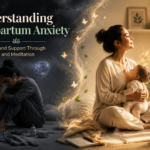
Coping with an Anxiety Disorder: Manage and Deal With It
Anxiety disorders, including social anxiety disorder, can feel overwhelming, but understanding the types of anxiety can help in managing them. Understanding them is the first step toward regaining control over anxiety that interferes with daily life.. This article delves into various strategies to manage anxiety, helping you develop effective coping mechanisms to relieve anxiety and improve your overall well-being. We will explore what anxiety disorders are, their symptoms, and common causes, paving the way for practical approaches to deal with anxiety.
Anxiety Disorder Overview
Understanding Anxiety Disorders
Anxiety disorders are a group of mental health conditions characterized by various types of anxiety that can significantly impact daily life and require anxiety support to cope effectively. Persistent and excessive worry, fear, or apprehension that significantly interferes with daily life. Unlike typical stress and anxiety, which are normal responses to challenging situations, an anxiety disorder involves feelings of anxiety that are intense, long-lasting, and often disproportionate to the actual threat. Millions of people worldwide experience anxiety, making it one of the most common mental health conditions. Learning to cope with anxiety and developing ways to manage anxiety is crucial for improving the quality of life for people with anxiety.
Symptoms of Anxiety
Recognizing the symptoms of anxiety is essential for seeking help and addressing anxiety triggers. and beginning to deal with anxiety. Anxiety symptoms can manifest in various ways, encompassing both mental and physical symptoms. Mentally, individuals may experience constant anxious thoughts, excessive worrying, irritability, and difficulty concentrating, which can trigger anxiety. Physically, the symptoms of anxiety can include a racing heart, shortness of breath, sweating, trembling, muscle tension, and digestive issues. Some people with anxiety may also experience panic attacks, which are sudden, intense episodes of fear accompanied by severe physical symptoms of anxiety. Understanding these varied expressions can help individuals identify when they need to reduce anxiety and seek support.
Common Causes of Anxiety
Several factors can cause anxiety and contribute to the development of an anxiety disorder, highlighting the importance of seeking anxiety support.. These can range from genetic predispositions and brain chemistry imbalances to environmental stressors and past traumatic experiences. Chronic stress and anxiety, particularly unresolved or prolonged periods of pressure, can significantly increase the likelihood of experiencing anxiety. Certain medical conditions and substance use can also make anxiety worse. Identifying these common causes of anxiety is a critical step in developing effective coping strategies to help manage anxiety. Understanding what triggers or exacerbates feelings of anxiety can empower individuals to manage stress, reduce stress, and explore treatments for anxiety that address the root causes of their condition.
Dealing with Anxiety
Anxiety is your mind’s way of trying to protect you. It often appears when you feel uncertain, overwhelmed, pressured, or afraid of what might happen next, similar to symptoms experienced in panic disorder, indicating it may be time to seek professional help. The goal is not to fight anxiety or make it disappear instantly, but to learn how to respond to it with awareness and calm.
When anxiety shows up
You may notice:
- Racing or repetitive thoughts
- A feeling that something bad might happen can often be linked to symptoms of anxiety disorders.
- Restlessness or difficulty sitting still
- Fast breathing or a tight feeling in the body
- Difficulty concentrating
- Overthinking simple decisions
- Trouble sleeping
A simple 5-step reset
1. PAUSE
Stop for a moment instead of immediately reacting to the anxious thought.
2. BREATHE
Take a slow breath in and make your exhale slightly longer. Repeat several times.
3. NAME IT to deal with anxious feelings effectively.
Tell yourself:
“I am noticing anxiety right now.”
Naming the feeling can create a little distance between someone you know and their symptoms of anxiety disorders. you and the emotion.
4. QUESTION THE THOUGHT
Ask:
- Is this a fact or a fear that I need to deal with anxious thoughts?
- Do I know this will actually happen?
- What is within my control right now to help manage anxiety?
5. COME BACK TO NOW
Look around and notice what you can see, hear, and feel to help manage your anxiety in the moment. Bring your attention back to the present moment instead of repeatedly travelling into the future.
Remember
You don’t have to solve your entire future while feeling anxious.
Sometimes the most helpful question is simply:
“What is one small thing I can do right now?”
Take that one step to lower anxiety and improve your mental health.
Then the next.
And remind yourself:
“I can feel anxious and still be okay.”
How to Cope with Anxiety
Coping with anxiety involves implementing a range of practical strategies to manage anxious thoughts and reduce physical symptoms. These daily practices empower people with anxiety to proactively deal with anxious feelings and prevent it from becoming worse, and include strategies to relieve anxiety and provide anxiety support.
- Engaging in regular physical activity, which is a powerful way to lower anxiety and improve your mental health by reducing anxiety, as it releases endorphins that help reduce anxiety and improve your mental health with mood-boosting effects.
- Incorporating relaxation techniques, such as deep breathing exercises and progressive muscle relaxation, to significantly reduce stress and anxiety by calming the nervous system.
- Practicing mindfulness, which involves focusing on the present moment, can help interrupt cycles of anxious thoughts and cultivate a sense of inner peace to reduce your anxiety, as suggested by mental health experts.
Developing effective coping strategies to manage anxiety also includes identifying triggers and learning healthy responses. Journaling can be an excellent tool for processing feelings of anxiety and gaining insight into patterns that cause anxiety, thereby providing anxiety support. Establishing a consistent sleep schedule and maintaining a balanced diet are fundamental for overall well-being and can help you manage anxiety. and can help to stabilize mood, reducing the likelihood of experiencing anxiety and improving your mental health. By integrating these various approaches, individuals can build a robust toolkit to cope with anxiety, making significant strides toward better mental health and a more balanced life. The goal is to reduce anxiety and develop sustainable ways to manage anxiety.
Signs of Anxiety and When to Seek Help
Recognizing the signs of anxiety and understanding when to seek professional help is crucial for effective intervention. While everyone experiences stress and anxiety occasionally, persistent and intense anxiety symptoms that interfere with daily life warrant attention. Key indicators include excessive worrying, constant anxious thoughts, difficulty concentrating, and significant changes in sleep patterns. Physical symptoms of anxiety, such as a racing heart, shortness of breath, dizziness, or persistent muscle tension, especially when not attributable to a medical condition, are also strong signals that it’s time to seek help. If you frequently feel anxious and these feelings begin to cause anxiety in social or work settings, it’s a clear sign.
Furthermore, if you experience panic attack episodes, which are characterized by sudden, overwhelming fear accompanied by severe physical symptoms, or if your anxiety makes it difficult to engage in everyday activities, professional help is highly recommended. The NHS advises seeking support from a mental health provider if your feelings of anxiety are impacting your quality of life or if self-help strategies are not effectively helping you to cope with anxiety. Early intervention can prevent an anxiety disorder from becoming worse and significantly improve long-term outcomes. Knowing when to get help with anxiety can make a substantial difference in learning to manage anxiety effectively.
Professional Help for Anxiety
For many people with anxiety, Professional help from a mental health provider offers the most effective treatments for symptoms of anxiety disorders.. Cognitive Behavioral Therapy (CBT) is a widely recommended approach that helps individuals identify and challenge negative anxious thoughts and behaviors that contribute to their anxiety disorder. Through CBT, patients learn practical coping strategies to manage anxiety and develop healthier responses to stressors, which is essential for someone you know struggling with anxiety. Other therapeutic modalities, such as exposure therapy for specific phobias or Generalized Anxiety Disorder, also prove highly effective in reducing anxiety. Seeking professional guidance from a mental health professional can provide structured support and tailored interventions to manage anxiety triggers, making it a good time to seek professional help.
Medication, often prescribed in conjunction with therapy, can also be a vital component of treating anxiety disorders, including panic disorder., especially for severe anxiety symptoms or when an anxiety disorder significantly impacts daily functioning. Antidepressants, particularly selective serotonin reuptake inhibitors (SSRIs), and anti-anxiety medications can help to regulate brain chemistry, thereby reducing the intensity of feelings of anxiety and improving overall mood. Consulting with a GP or a psychiatrist can help determine the most appropriate course of treatment, ensuring that the chosen approach addresses the specific needs of the individual to manage anxiety and improve their quality of life. The goal is to provide comprehensive help with anxiety management.
Managing Anxiety and Stress
Anxiety and Stress: The Connection
Understanding the intricate connection between anxiety and stress is fundamental to effectively manage your anxiety and prevent types of anxiety disorders. and improve overall well-being. While both are natural responses to challenging situations, stress often refers to the body’s reaction to a demand or threat, whereas anxiety is a reaction to stress, characterized by worry, apprehension, and often, feelings of anxiety about future events. Chronic stress and anxiety can exacerbate each other, creating a cycle where persistent stress can cause anxiety to become worse, leading to an anxiety disorder if not properly managed. Recognizing this interplay allows individuals to develop targeted coping strategies to reduce stress and anxiety, preventing an escalation of anxious feelings and physical symptoms of anxiety.
When an individual experiences stress, the body releases stress hormones that prepare it for a “fight or flight” response. If this stress is prolonged or excessive, it can lead to heightened states of anxiety, manifesting as constant anxious thoughts, irritability, and various physical symptoms. For people with anxiety, this connection is particularly pronounced, as their baseline level of anxiousness may already be elevated, contributing to anxiety and depression. Therefore, addressing anxiety management strategies is vital for those affected by anxiety disorders. Learning to manage stress is a critical component of learning to cope with anxiety and symptoms of anxiety disorders.. By implementing strategies to reduce stress, individuals can significantly reduce anxiety symptoms and mitigate the likelihood of experiencing a panic attack, ultimately fostering a greater sense of calm and control over their mental health condition.
Ways to Manage Stress
Implementing effective ways to manage stress is crucial for anyone looking to reduce anxiety and prevent an anxiety disorder from becoming worse. There are several simple yet powerful habits that contribute significantly to the overall ability to cope with anxiety and alleviate anxiety symptoms, including learning more about anxiety.
- Engaging in regular physical activity. Exercise not only burns off excess energy that can contribute to feelings of anxiety but also releases endorphins, natural mood elevators that help to reduce stress.
- Prioritizing sufficient sleep. A well-rested body and mind are better equipped to handle stressors and are less likely to experience anxiety.
Beyond physical health, incorporating mental and emotional coping strategies can significantly help to manage stress and lower anxiety. Mindfulness practices can significantly improve your mental health and help manage anxiety effectively, such as meditation and mindful breathing, help individuals stay grounded in the present moment, thereby interrupting the cycle of anxious thoughts and reducing the intensity of feelings of anxiety that interfere with daily activities. Setting realistic goals and learning to say no to excessive demands can also reduce stress and prevent overwhelm. For people with anxiety, these strategies are particularly vital in their journey to deal with anxiety, providing them with practical tools to proactively reduce anxiety and maintain a healthier mental state, preventing a panic attack or other severe physical symptoms.
Breathing Exercises for Anxiety Relief
Breathing exercises are among the most accessible and immediate ways to manage your anxiety, offering swift relief from both mental and physical symptoms of anxiety.. Deep diaphragmatic breathing, for instance, stimulates the vagus nerve, which in turn activates the parasympathetic nervous system, responsible for the body’s “rest and digest” response. This physiological shift helps to reduce stress, slow a racing heart, and alleviate other physical symptoms of anxiety, such as shortness of breath or muscle tension. Regularly practicing breathing exercises can train the body and mind to respond more calmly to stressors, making it a powerful tool for people with anxiety to cope with anxiety in moments of distress or prevent a panic attack.
One popular and effective technique is 4-7-8 breathing to help manage anxiety. This specific rhythm helps to regulate breathing patterns, promoting relaxation and reducing feelings of anxiety levels. Another beneficial exercise involves box breathing, where you inhale, hold, exhale, and hold for equal counts, often four seconds each, to ease anxiety and calm anxiety. These simple yet profound breathing exercises can be performed anywhere, anytime, providing an immediate mechanism to reduce anxiety and regain control when anxious thoughts or a panic attack begins to surface. Consistent practice of these relaxation techniques can significantly improve an individual’s capacity to deal with anxiety and enhance their overall well-being, as advised by mental health experts. Some common breathing exercises include ways to cope with anxiety and enhance relaxation.
- 4-7-8 breathing: You inhale for four counts, hold for seven, and exhale for eight, which can help you manage anxiety.
- Box breathing is an effective technique to calm anxiety and promote relaxation.: You inhale, hold, exhale, and hold for equal counts, often four seconds each.
Relaxation Techniques for Anxiety
Deep Breathing Techniques
Deep breathing techniques are incredibly effective tools for anyone looking to reduce anxiety and manage anxiety symptoms, especially for those who frequently feel anxious. These techniques work by activating the parasympathetic nervous system, which helps to calm the body and mind, counteracting the “fight or flight” response often triggered by stress and anxiety. For people with anxiety, practicing various breathing exercises can provide immediate relief from physical symptoms of anxiety like a racing heart or shortness of breath. Regularly incorporating these relaxation techniques into daily routines can significantly help to cope with anxiety and reduce anxiety over time, preventing intense feelings of anxiety from escalating into a full-blown panic attack. It’s a foundational step to deal with anxiety effectively and improve your mental health.
Mindfulness and the Present Moment
Mindfulness is a powerful practice that helps individuals reduce anxiety by focusing on the present moment and learning more about anxiety., thereby interrupting cycles of anxious thoughts that often characterize an anxiety disorder and helping to lower anxiety and improve your mental health. By observing thoughts and feelings without judgment, people with anxiety disorders can develop a greater sense of detachment from their anxious thoughts, reducing their intensity and impact on their anxiety levels.
This approach is particularly beneficial for those who feel anxious and experience chronic stress and anxiety, as it fosters a calm mental state and helps ease anxiety in the moment. Regular mindfulness meditation or simply taking a few moments to mindfully observe one’s surroundings can significantly improve the ability to manage anxiety and cope with anxiety, offering a sustainable way to reduce anxiety and prevent its symptoms from becoming worse.
Effective Relaxation Strategies
Beyond deep breathing and mindfulness, several other effective relaxation strategies can help to reduce anxiety and manage anxiety in daily life. Progressive muscle relaxation, for instance, involves tensing and then relaxing different muscle groups throughout the body, helping to release physical tension often associated with anxiety symptoms. Engaging in hobbies and creative activities can also serve as a powerful form of relaxation, diverting attention from anxious thoughts and fostering a sense of accomplishment and enjoyment, which can help reduce anxiety. For those who frequently feel anxious, incorporating these varied relaxation techniques into a daily routine provides a comprehensive approach to cope with anxiety and deal with anxiety, ensuring a holistic strategy to mitigate feelings of anxiety and improve overall well-being. These strategies are essential for reducing the likelihood of a panic attack and maintaining mental health.
Coping Strategies for Everyday Life: Regaining Control Over Anxiety
Regaining control over anxiety is a crucial step for anyone dealing with an anxiety disorder and seeking to reduce your anxiety., moving from feeling overwhelmed to proactively managing their anxiety and panic. This involves identifying specific triggers that cause or worsen anxiety and developing personalized responses to those stressors. For instance, if certain social situations make you feel anxious, gradually exposing yourself to them with controlled breathing exercises and positive self-talk can help. Understanding that an anxiety disorder doesn’t define you, but rather is a mental health condition that can be managed, empowers individuals to take charge. This sense of control is vital for people with anxiety to cope with anxiety and reduce anxiety symptoms effectively, allowing them to lead more fulfilling lives without constant anxious thoughts.
Getting Enough Sleep and Its Impact on Anxiety
Getting enough quality sleep is a cornerstone of any effective plan to manage anxiety and prevent an anxiety disorder from becoming worse. A lack of sleep can significantly exacerbate feelings of anxiety, making individuals more susceptible to anxious thoughts and symptoms of anxiety disorders. When the body is sleep-deprived, it struggles to regulate emotions and cope with stress and anxiety, creating a vicious cycle where anxiety disrupts sleep, and poor sleep then heightens anxiety. Prioritizing a consistent sleep schedule, creating a relaxing bedtime routine, and ensuring a comfortable sleep environment are essential relaxation techniques that can dramatically reduce anxiety and improve overall mental health for people with anxiety.
Developing a Personal Coping Plan
Developing a personal coping plan is an individualized and empowering approach to manage your anxiety and prevent anxiety effectively in everyday life. This plan should include a range of coping strategies tailored to specific anxiety symptoms and triggers, such as integrating breathing exercises for immediate relief, practicing mindfulness to manage anxious thoughts, and scheduling regular physical activity to reduce stress. It also involves identifying a support network—be it friends, family, or a therapist—who can provide help with anxiety when feelings of anxiety become overwhelming. A well-structured personal coping plan gives people with anxiety a proactive roadmap to reduce anxiety, prevent a panic attack, and regain control over their mental health condition, helping them to feel more secure and less anxious.
Sindhya Binesh

Sindhya Binesh
Sindhya Binesh is a Certified Mindfulness Trainer and Life Coach dedicated to helping children, teens, women, and families build happier, healthier, and more resilient lives. Through a unique blend of Mindfulness, Mindset, and Performance training, she empowers individuals to develop emotional resilience, confidence, focus, and inner calm.
- Sindhya Binesh
- Sindhya Binesh
- Sindhya Binesh
- Sindhya Binesh